|
Supporting Small Farmers as They Rebuild Their Country After Years of Civil War
Coffee farming has a long tradition in the Matagalpa and
Jinotega departments of Nicaragua,
dating back to the mid-1800s. The
region's humid tropical forest climate, rich volcanic soil, and lush vegetation
all contribute to the unique flavor of its internationally renowned coffee.
In 1997, with the aid of international
financial organizations and the contributions of local farmers, the
Organization of Northern Coffee Cooperatives, CECOCAFEN was founded to promote
and sell its members' coffee. Initially,
the organization devoted itself to strengthening its internal organization and
studying the experiences of other Nicaraguan coffee organizations in order to
create their own vision: a cooperative
business - with a social character and economically profitable. Today, CECOCAFEN joins together 1,900 coffee
farmers and exports more than 4 million
pounds per year of its members' coffee.
CECOCAFEN has spent considerable effort to improve
coffee quality. With a mix of loans,
grants, and their own funds generated from Fair Trade revenues, CECOCAFEN
purchased a coffee-processing facility, SolCafé, in May 1999. The members are now owners of the mill,
allowing them to process the coffee, control for quality, and increase the
incomes of their members. A cupping lab
was installed so that their coffee could be sampled and tested prior to shipment. CECOCAFEN technicians also conduct quality
control workshops in the field. Not only
are steps being taken at SolCafé to improve the cooperatives' coffee, but
careful attention has been taken to improve the quality of the work environment
as well. For example, workers at SolCafé
are paid competitive wages and care is taken to provide for their health and
safety at the workplace.
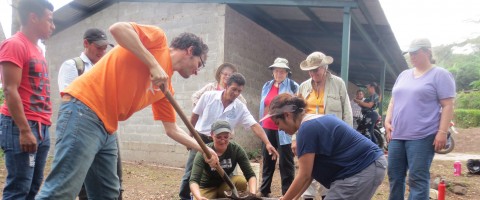
Recently, CECOCAFEN launched an
exciting, new ecotourism project which will generate additional income for the
farming families, educate visitors about coffee production and Fair Trade, and
foster an increased awareness and protection of their natural resources. Youth have been trained to identify the local
flora and fauna and to serve as guides to the visitors. The women are organized into committees and
are learning how to appropriately house and feed the visitors. The appreciation that visitors show upon
visiting the cooperatives for the vast wealth and diversity of natural
resources, reinforces the importance
of conservation and environmental practices in the eyes of cooperative members.
"The cooperative that
works with its hands is a cooperative of workers. The cooperative that works
with its hands and its minds is a community of artisans. The cooperative that
works with its hands, minds and hearts is a community of artists." —CECOCAFEN
|